Why Machame Is the
Ultimate Kilimanjaro Route
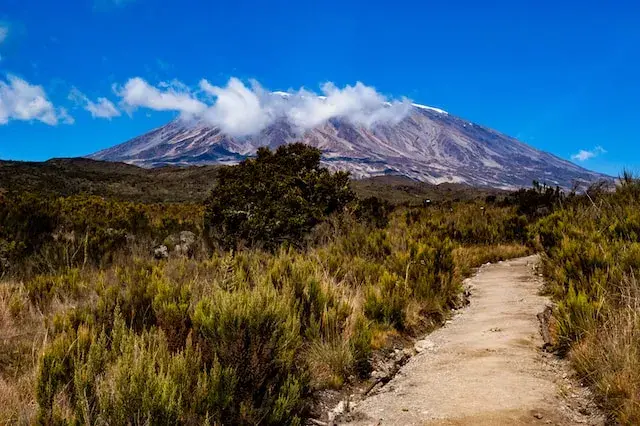
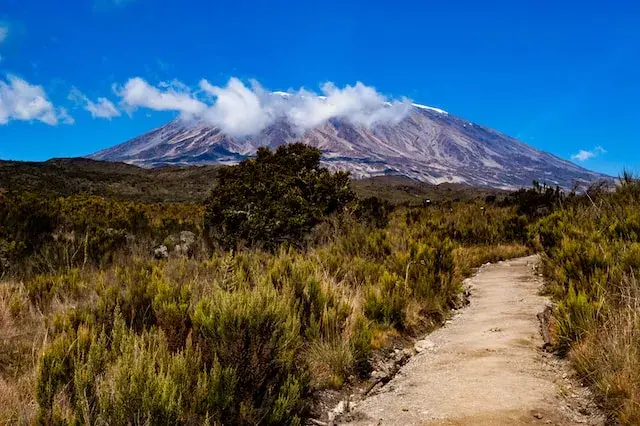
Known as the "Whiskey Route" for its demanding, rewarding character, Machame is Africa's most popular Kilimanjaro path — chosen by roughly 50% of all summit climbers. It earns that title through extraordinary landscape diversity and an ideal "climb high, sleep low" acclimatization profile that no other route matches.
From Machame Gate, the trail climbs through ancient afromontane rainforest, crosses heathland and the vast Shira Plateau, traverses the legendary Barranco Wall, and ascends through barren alpine desert to the glacial summit zone — five worlds in one climb.
"Machame doesn't just take you to the summit — it earns it from you, step by step, zone by zone. That's what makes the sunrise at Uhuru the most beautiful thing our climbers ever see."
— Mr. Chacha, Founder and Lead Guide, Africa Endless CruisingFive Worlds in
One Climb
The "climb high, sleep low" strategy is built into Machame's DNA — each day you ascend higher than your campsite, training your body to produce more oxygen-carrying red blood cells before descending to sleep.
In seven days you pass through ecosystems equivalent to trekking from the equator to the Arctic Circle — the most diverse ascent on Earth.
Choose Your Adventure
We offer two itinerary options. The 7-day route is our most recommended choice — the perfect balance of challenge and acclimatization. The 8-day route adds a dedicated rest day and daytime summit for maximum success.
Your adventure begins the moment you land. Our driver meets you at Kilimanjaro International Airport and transfers you to your Moshi hotel. The evening is dedicated to rest and a comprehensive briefing with your lead guide — reviewing route logistics, safety protocols, acclimatization strategy, and gear requirements. You'll meet your mountain crew and have time to sort any final equipment needs before the climb begins.
The trail begins at Machame Gate (1,640m) and immediately plunges you into ancient Afromontane rainforest — dense, dripping canopy, giant fig trees, and the sound of colobus monkeys overhead. The path climbs steadily through mud and roots, emerging above the forest belt as the afternoon clears. Your first camp at 2,850m rewards you with mountain views and a warm camp dinner served by your crew.
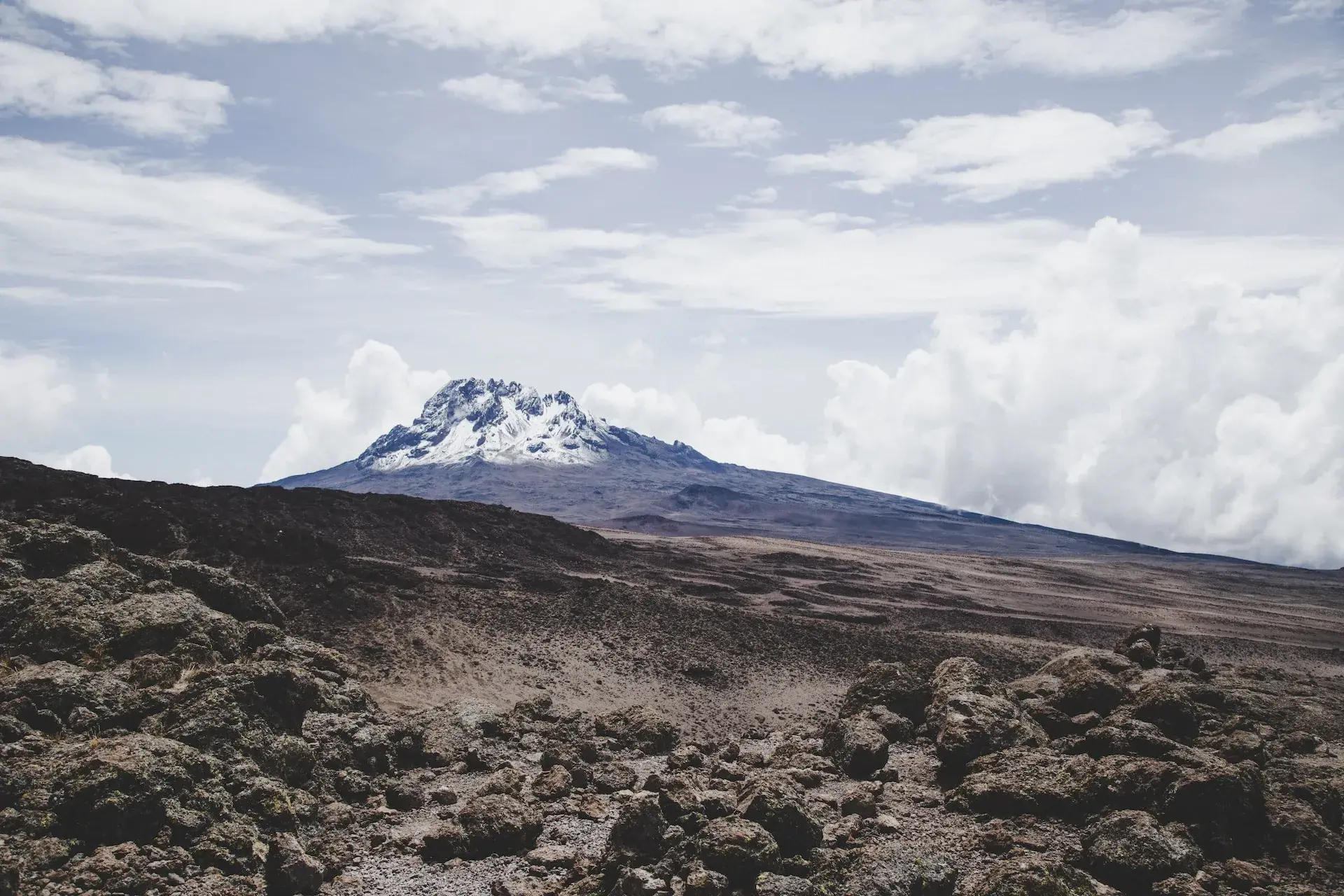
Leaving the forest behind, the trail climbs a rocky ridge through giant heather draped in old-man's-beard lichen. You cross onto the vast, open Shira Plateau — a high volcanic caldera unlike anything on Earth. Kibo's snow-capped summit appears directly ahead for the first time. Shira 2 Camp at 3,840m offers sweeping plateau views and your first taste of high-altitude nights.
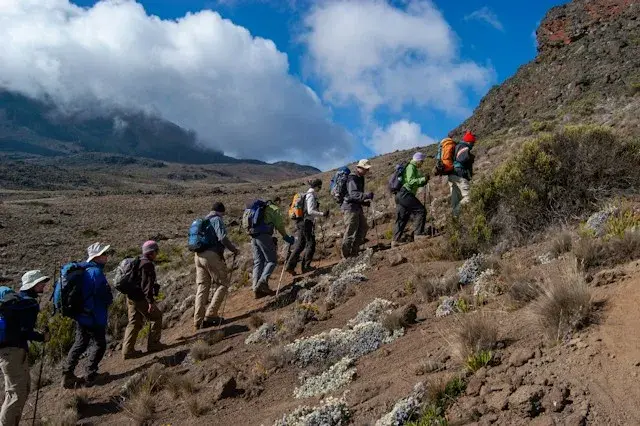
Today is one of the most important acclimatization days on the entire climb. You ascend to Lava Tower at 4,630m for lunch — well above tomorrow night's camp — then descend through the surreal Giant Senecio forest to Barranco Valley. This classic "climb high, sleep low" cycle accelerates red blood cell production and reduces altitude sickness risk significantly. Barranco Camp is Machame's most dramatic and photogenic site.
The Barranco Wall is the defining moment of the Machame Route — a 257-metre near-vertical rock scramble that requires hands and feet, but no technical gear. Your guide leads the way on this exhilarating traverse, which rewards you with views stretching to the Tanzanian plains below. The rest of the day traverses the Karanga Valley and climbs to Barafu Camp — your launch pad for the summit, 1,222 metres directly above.
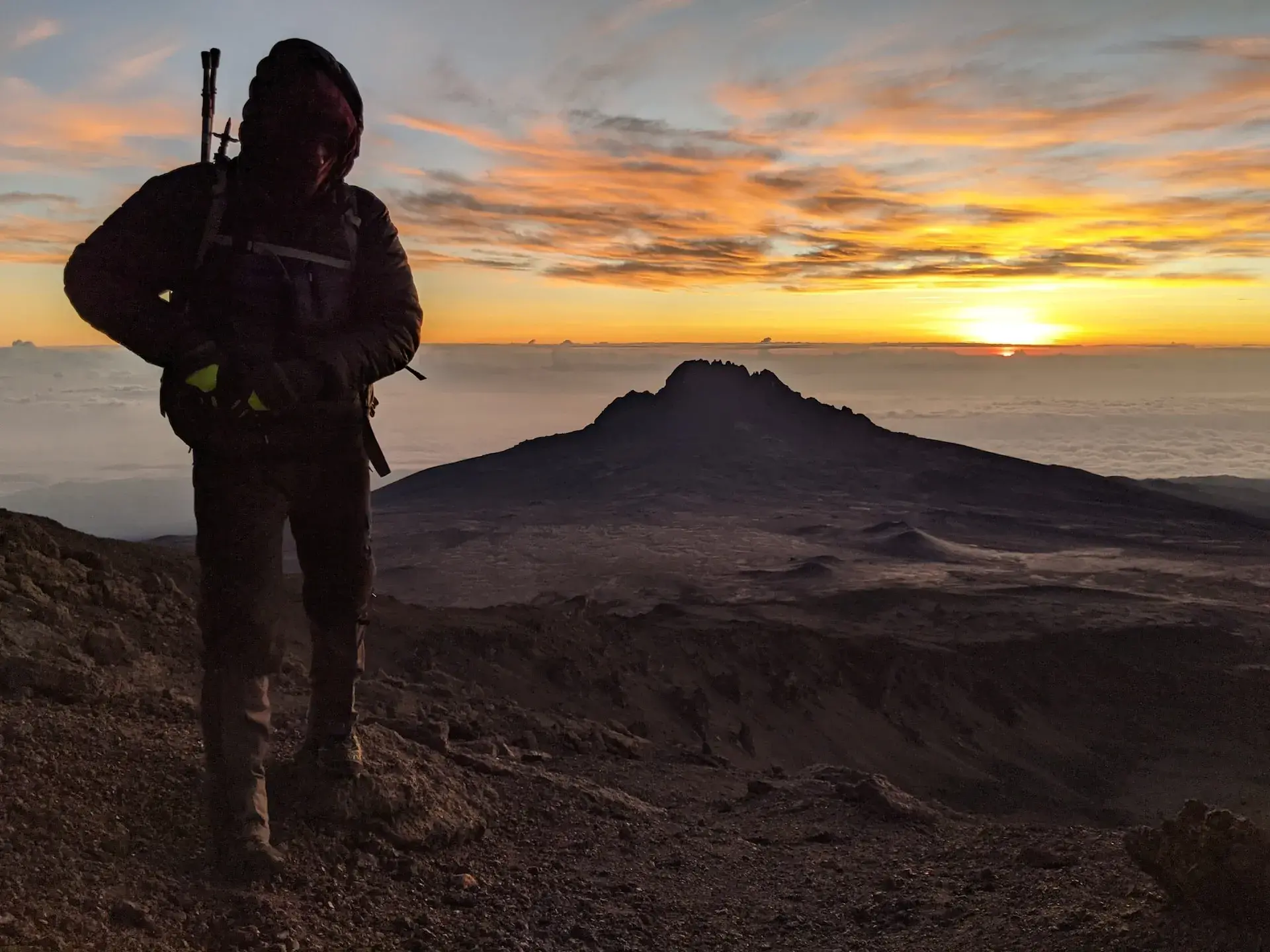
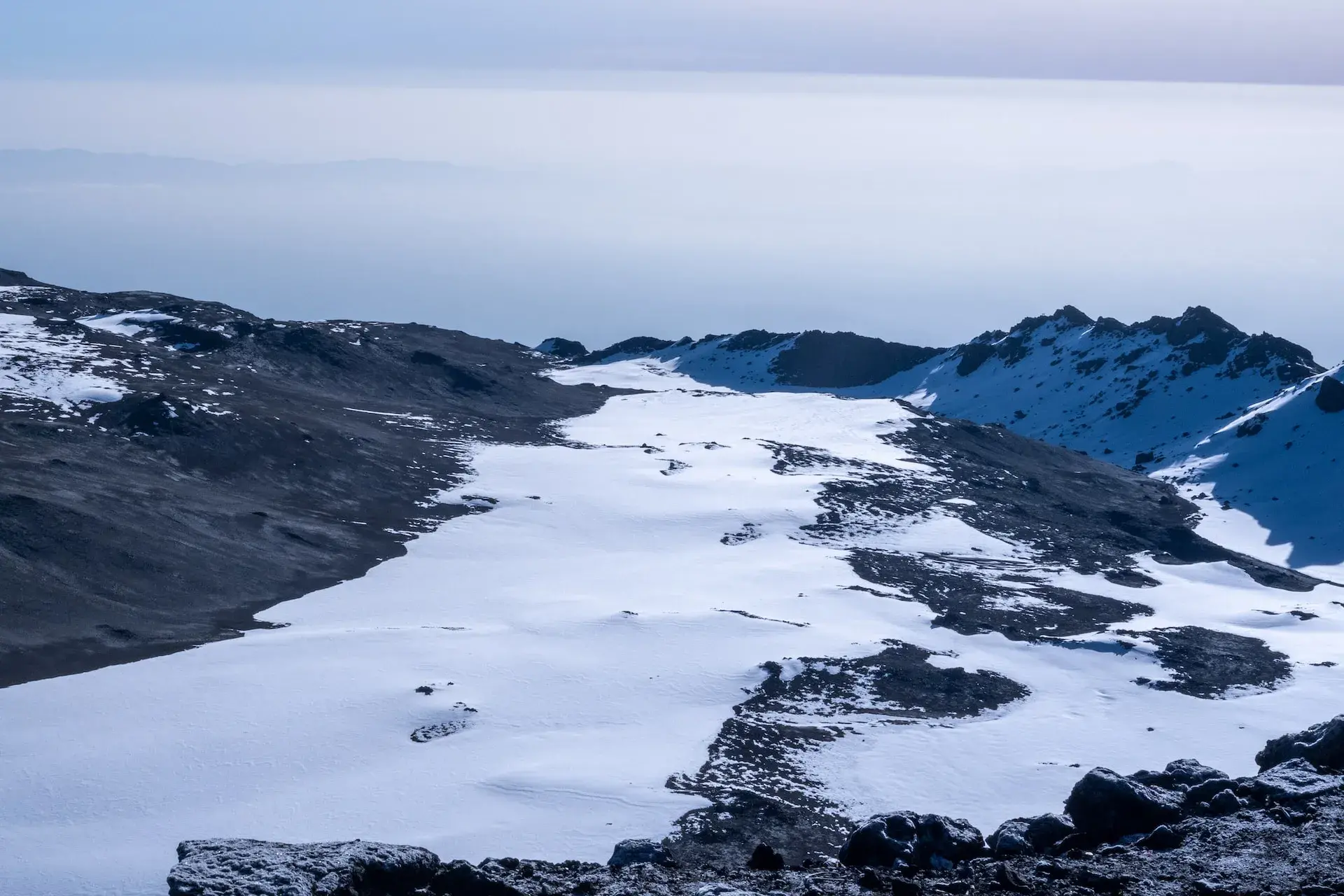
The culmination of everything. Your guide wakes you at midnight and you begin the final 1,222-metre push by headlamp through the alpine desert. The pace is deliberately slow — "pole, pole" (slowly, slowly). As dawn breaks, you cross the crater rim at Stella Point and take in the first light striking the glaciers. The final push to Uhuru Peak is one of the most emotional moments in African travel. Sign the summit register, embrace your guide, and let the view sink in — the continent is at your feet.
The final descent winds back through heathland and rainforest to Mweka Gate, where you receive your official KINAPA summit certificate. Your team transfers you back to Moshi hotel, where a celebration dinner awaits — the traditional tip ceremony for your mountain crew, a moment of sincere gratitude for the porters, cooks, and guides who made your summit possible.
Arrive at Kilimanjaro International Airport, transfer to your Moshi hotel, and meet your lead guide for a comprehensive pre-climb briefing. Gear is inspected, route strategy discussed, and any last-minute preparation handled so Day 1 starts with full confidence.
The trail begins at Machame Gate and plunges into ancient Afromontane rainforest. Giant figs, colobus monkeys, and over 140 bird species accompany you through the dense green canopy. The path climbs steadily to Machame Camp at 2,850m where your crew awaits with a hot camp dinner.
Above the forest, the trail ascends a rocky ridge through heather and lichen before opening onto the vast Shira Plateau. The ancient volcanic caldera stretches around you under a wide sky, with Kibo summit appearing ahead for the first time. Shira 2 Camp at 3,840m delivers sweeping panoramas and your first high-altitude sunset.
You ascend to Lava Tower (4,630m) for lunch — the highest point yet — then descend through the surreal Giant Senecio forest into Barranco Valley. This is Machame's signature acclimatization move: go high, sleep low. Your body responds by producing more red blood cells, dramatically improving summit odds.
The Barranco Wall — 257 metres of exhilarating rock scramble — is the route's most iconic challenge. No ropes or technical gear required; your guide leads the way and the views from the top are extraordinary. A shorter day today finishes at Karanga Camp, giving your body time to absorb the altitude before tomorrow's rest day.
The 8-day route's secret weapon: a full rest and acclimatization day at Karanga Camp (3,995m). A short morning walk helps stimulate acclimatization, while the afternoon is for rest, hot meals, hydration, and mental preparation for the summit push. Your crew moves to Barafu in the evening, staging everything for a daytime summit tomorrow — warmer, calmer, and with full visibility of the glaciers.
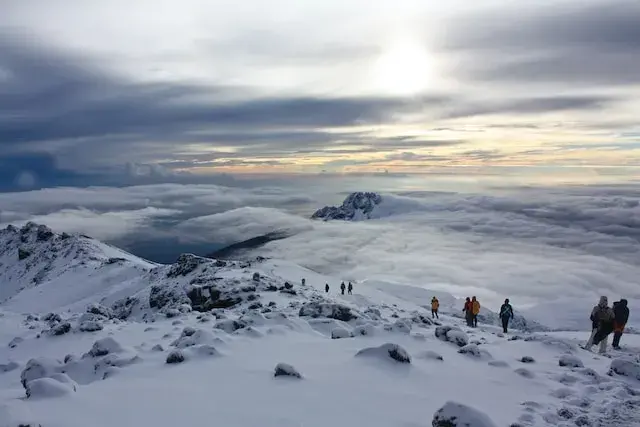
The 8-day's daytime summit is its greatest advantage — you start at dawn, warmer and better-rested, with the entire final push in full daylight. The glaciers catch full sun, the crater is visible in stunning detail, and the Rebmann and Furtwängler glaciers appear in their full ancient grandeur. You reach Uhuru Peak with full visibility and the warmth of the sun — Africa's greatest summit moment, experienced at its finest.
After your summit rest, the long descent begins — 1,573m of descent from Barafu back into the heath and forest zones. The change of air and temperature is remarkable as the landscape shifts from barren scree to green heathland and eventually back into the forest. The final camp dinner with your full mountain crew is a moment of genuine camaraderie.
The final rainforest descent to Mweka Gate is a joyful procession — you've done it. At the gate, receive your official KINAPA summit certificate and pose for photos with your guide. Transfer back to Moshi hotel, freshen up, and gather for a celebration dinner with your crew for the traditional tip ceremony.
Everything You Need,
Nothing Hidden
Our pricing is fully transparent and all-inclusive. No surprise fees, no hidden add-ons. Below is exactly what you get — and what you'll need to bring yourself.
Included in Your Package
- ✓ Airport transfers (arrival and departure)
- ✓ Hotel accommodation in Moshi pre- and post-climb
- ✓ Kilimanjaro National Park fees & camping fees
- ✓ Registered local mountain guide (English-speaking)
- ✓ Assistant guides — 1 per 3 climbers
- ✓ Licensed porters carrying your duffel (max 15 kg)
- ✓ Professional mountain cook & all meals on the mountain
- ✓ High-quality tents, dining tent & private toilet tent
- ✓ Rescue fee registration (KINAPA)
- ✓ All government taxes and levies
- ✓ Pre-climb briefing, debriefing & KINAPA summit certificate
- ✓ Daily health monitoring with pulse oximetry
Not Included
- ✗ International flights to/from Tanzania
- ✗ Tanzania visa fees (approx. $50 USD on arrival)
- ✗ Travel & medical insurance (required — we can recommend)
- ✗ Personal trekking gear (clothing, boots, trekking poles)
- ✗ Sleeping bag rated to -10°C (rental available from us)
- ✗ Crew gratuities (guides, porters, cook — strongly customary)
- ✗ Personal items, snacks & supplements (e.g. Diamox)
- ✗ Helicopter evacuation (covered by travel insurance)
What to Bring to the
Roof of Africa
Kilimanjaro crosses five climate zones — you'll dress for a tropical jungle one day and sub-zero arctic conditions the next. Our guides review your gear before departure from Moshi.
Layering System
Moisture-wicking base layer, warm mid-layer fleece, and a waterproof, windproof outer shell. Summit night demands your warmest down jacket — nothing below 600-fill.
Waterproof Boots
Well broken-in, ankle-supporting waterproof trekking boots are essential. Bring sandals for camp. Gaiters are strongly recommended for the rocky ascents and scree descents.
Gloves & Head Gear
Liner gloves, insulated gloves, and a warm balaclava or beanie for summit night. A sun hat and UV-protection sunglasses are equally critical for daytime trekking.
Daypack & Sleeping Bag
A 35–40L daypack for the trail (porters carry your main duffel). A sleeping bag rated to at least -10°C is essential — rental available in Moshi if you don't own one.
Headlamp
Absolutely essential for the midnight summit push. Bring extra batteries — cold air drains them far faster than at sea level. A backup lamp is a smart precaution.
Altitude & First Aid
Consult your doctor about Diamox (acetazolamide) for altitude sickness prevention. Bring a personal first-aid kit with blister care, ibuprofen, and rehydration salts.
Hydration System
Two 1-litre water bottles or a hydration bladder. Target 4–5 litres per day starting Day 1, not just summit day. A thermos for hot drinks on summit night is invaluable.
Trekking Poles
Strongly recommended, especially for the long descents. Reduces knee strain significantly on the 3,000m drop from Uhuru to Mweka Gate. Available for rental in Moshi.
Insider Tips from Our
Veteran Guides
After 8,000+ expeditions over 20 years, our team knows exactly what separates a successful summit from a turned-back attempt. These are the things we tell every climber before they step onto the mountain.
"Pole Pole" — Go Slowly
The Swahili mantra of Kilimanjaro. The single biggest reason climbers fail is going too fast, not too slow. Our guides will keep your pace measured and deliberate. Resist the urge to rush. The mountain rewards patience — and so do we.
Drink More Than You Think
Altitude depletes your body of moisture rapidly. Aim for 4–5 litres of water daily starting on Day 1 — not just summit day. Most altitude headaches are dehydration in disguise. Add electrolytes whenever possible.
Eat Even When You Don't Want To
Altitude suppresses appetite at the worst possible time. Your body is burning enormous calories. Force yourself to eat at every meal, even when nothing sounds appealing. Our cooks prepare nutritious food — eat all of it.
Train Before You Arrive
Begin cardio training 3 months before. Long hikes with a loaded pack, stair climbing, and sustained aerobic work prepare your body. The fitter you arrive, the more reserve you have when altitude drains your strength.
Mental Strength Matters Most
Summit night is as much a mental challenge as a physical one. Most failed summits are mental, not physical. Know your "why" before you come. At 4am when every step feels impossible, our guides have seen it all — and they will carry you through.
Choose the Right Season
The two best windows are January–March (dry, cold, fewer crowds) and June–October (dry, peak visibility). Avoid April–May and November during heavy rains. Our team can advise on the ideal month for your travel schedule.
Route Price on Request
Final trekking cost depends on route duration, park fees, crew size, accommodation before and after the climb, and private-group arrangements.