Machame & Lemosho at a Glance
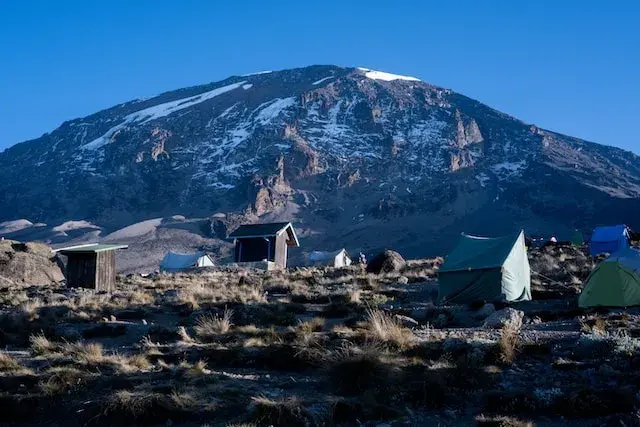
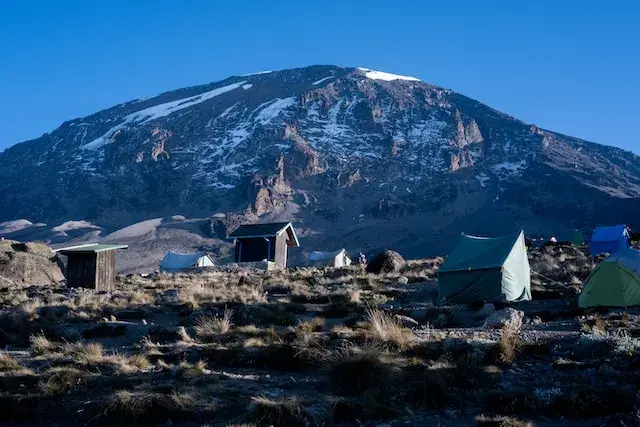
Machame and Lemosho are two of the most popular routes up Mount Kilimanjaro, and for good reason — both offer strong acclimatisation profiles and genuinely beautiful scenery. They share their final summit push via Barafu Camp, but differ significantly in their approach.
| Feature | Machame Route | Lemosho Route |
|---|---|---|
| Typical duration | 6–7 days | 7–8 days |
| Starting altitude | Higher, steeper start | Lower, gentler start |
| Crowd level | Busiest route | Quieter |
| Scenery | Excellent, varied | Considered the most scenic overall |
| Approx. success rate | Good, especially over 7 days | Slightly higher |
| Relative cost | Lower (shorter) | Higher (longer, more remote start) |
Day-by-Day Itinerary Comparison
Machame Route (7 Days, Recommended)
- Day 1: Machame Gate (1,800m) to Machame Camp (2,835m) — rainforest.
- Day 2: Machame Camp to Shira Camp (3,750m) — moorland.
- Day 3: Shira Camp to Lava Tower (4,630m) then down to Barranco Camp (3,960m) — key acclimatisation day.
- Day 4: Climb the Barranco Wall to Karanga Camp (3,995m).
- Day 5: Karanga Camp to Barafu Camp (4,673m) — short day to rest before the summit push.
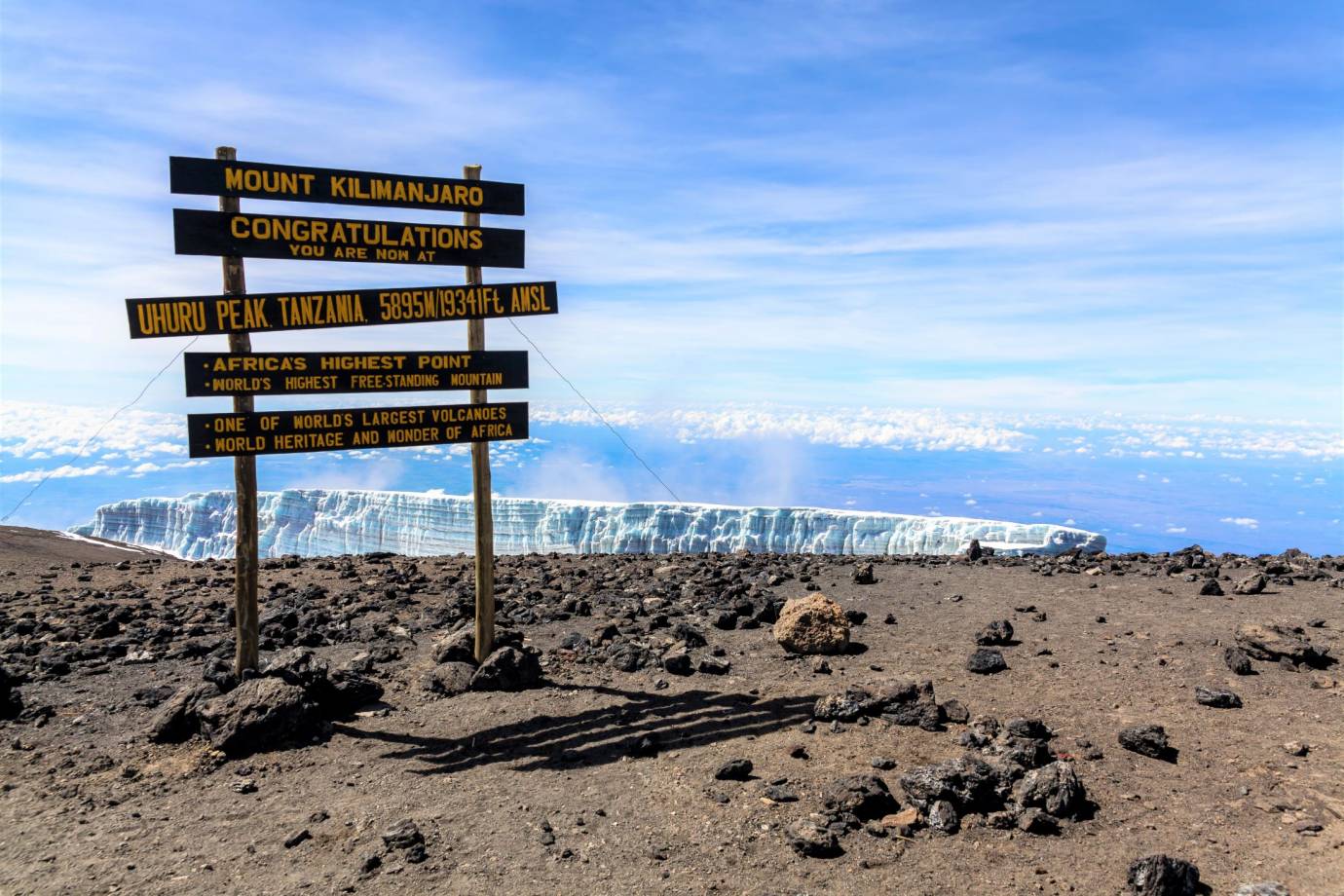
- Day 6: Midnight summit push to Uhuru Peak (5,895m), descend to Mweka Camp (3,068m).
- Day 7: Descend to Mweka Gate.
Lemosho Route (8 Days, Recommended)
- Day 1: Lemosho Gate (2,100m) to Mti Mkubwa Camp (2,750m) — rainforest.
- Day 2: Mti Mkubwa to Shira 1 Camp (3,500m) — crossing onto the Shira Plateau.
- Day 3: Shira 1 to Shira 2 Camp (3,850m) — gentle acclimatisation day.
- Day 4: Shira 2 to Lava Tower (4,630m), down to Barranco Camp (3,960m).
- Day 5: Climb the Barranco Wall to Karanga Camp (3,995m).
- Day 6: Karanga Camp to Barafu Camp (4,673m).
- Day 7: Midnight summit push to Uhuru Peak, descend to Mweka Camp.
- Day 8: Descend to Mweka Gate.
Both routes can technically be walked one day shorter than shown above. We strongly advise against it — the extra day at altitude is the single biggest factor in summit success and in simply enjoying the climb rather than suffering through it.
Acclimatisation & Success Rates
Kilimanjaro's main hazard isn't technical difficulty — it's altitude. Both routes follow the "climb high, sleep low" principle on at least one day (the detour to Lava Tower), but Lemosho's extra days on the Shira Plateau give your body more total time above 3,500m before the final push, which is widely believed to translate into a modestly higher summit success rate.
- Machame (7 days): Good success rates, particularly for fit, well-prepared trekkers.
- Lemosho (8 days): Slightly better success rates on average, owing to the additional acclimatisation time.
In both cases, walking pace ("pole pole" — slowly, slowly) matters more than fitness alone.
Scenery & Crowds
- Lemosho approaches from the quieter west side, crossing the open, otherworldly Shira Plateau — widely considered the most scenic start on the mountain.
- Machame is more direct and noticeably busier, especially in peak season (July–August, December–January), since it remains the most popular route overall.
- Both routes converge at Barranco Camp and share the dramatic scramble up the Barranco Wall the following morning.
Don't let the name intimidate you — it's a steep scramble rather than technical climbing, and no climbing gear is required. It's also one of the most photographed sections of the entire mountain.
Cost & Duration
As a rule of thumb, Lemosho costs more than Machame for the same operator and service level, largely because of the extra day (additional park fees, guide and porter wages, and food) and the longer drive to reach the more remote starting gate. The price difference is usually modest relative to the overall trip cost, and most climbers feel the extra acclimatisation and scenery are well worth it.
Our Verdict: Which Route Should You Pick?
- Choose Machame if: you have limited time or budget, want the most well-trodden and "classic" Kilimanjaro experience, and don't mind sharing camps with more groups.
- Choose Lemosho if: this is a once-in-a-lifetime trip, you want the highest realistic chance of summiting, and you'd rather trade a little extra cost and time for quieter trails and more dramatic scenery.
Whichever you choose, pair it with at least one rest day in Arusha or Moshi before or after your climb — your body (and your photos) will thank you.