Zanzibar's Coastline at a Glance
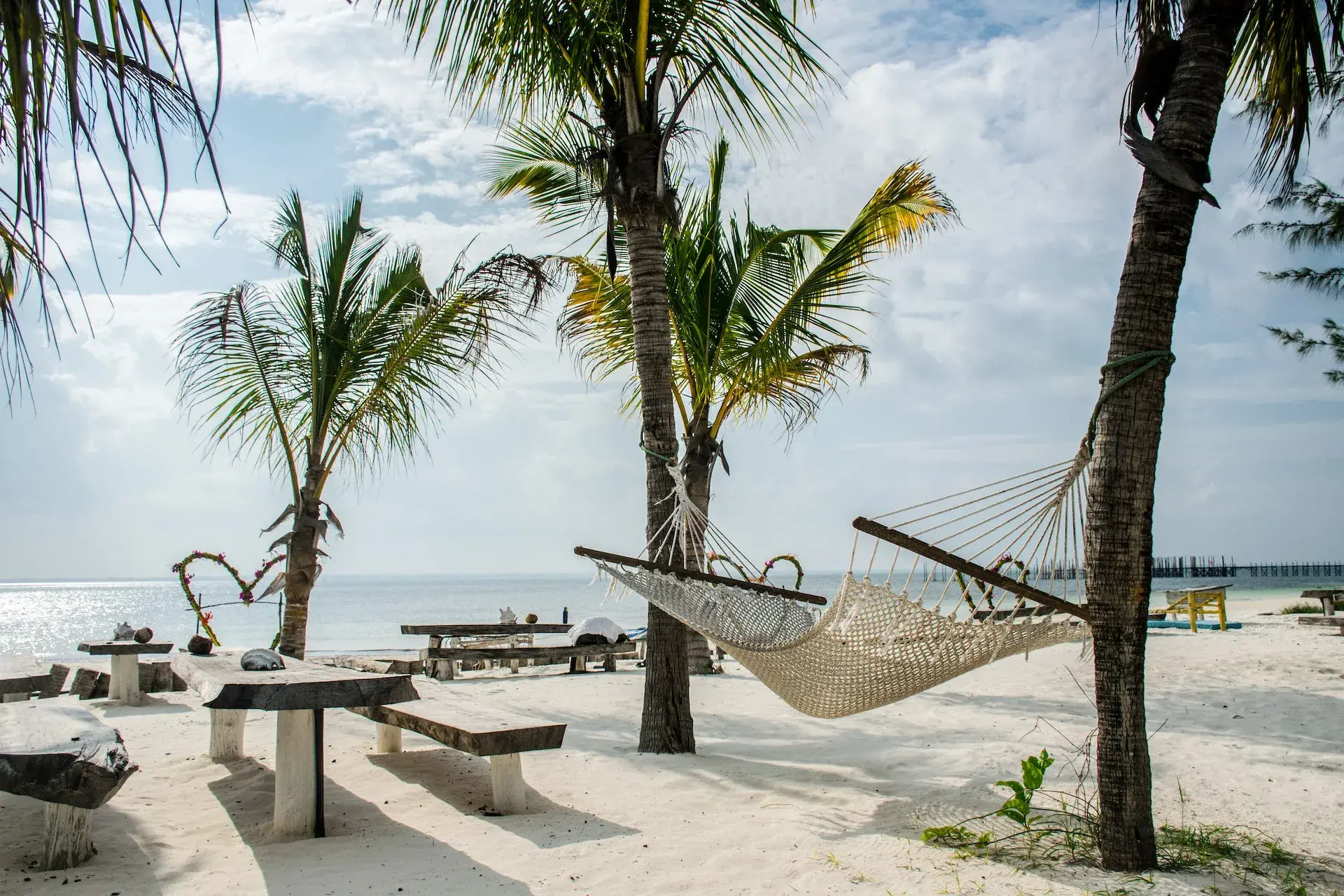
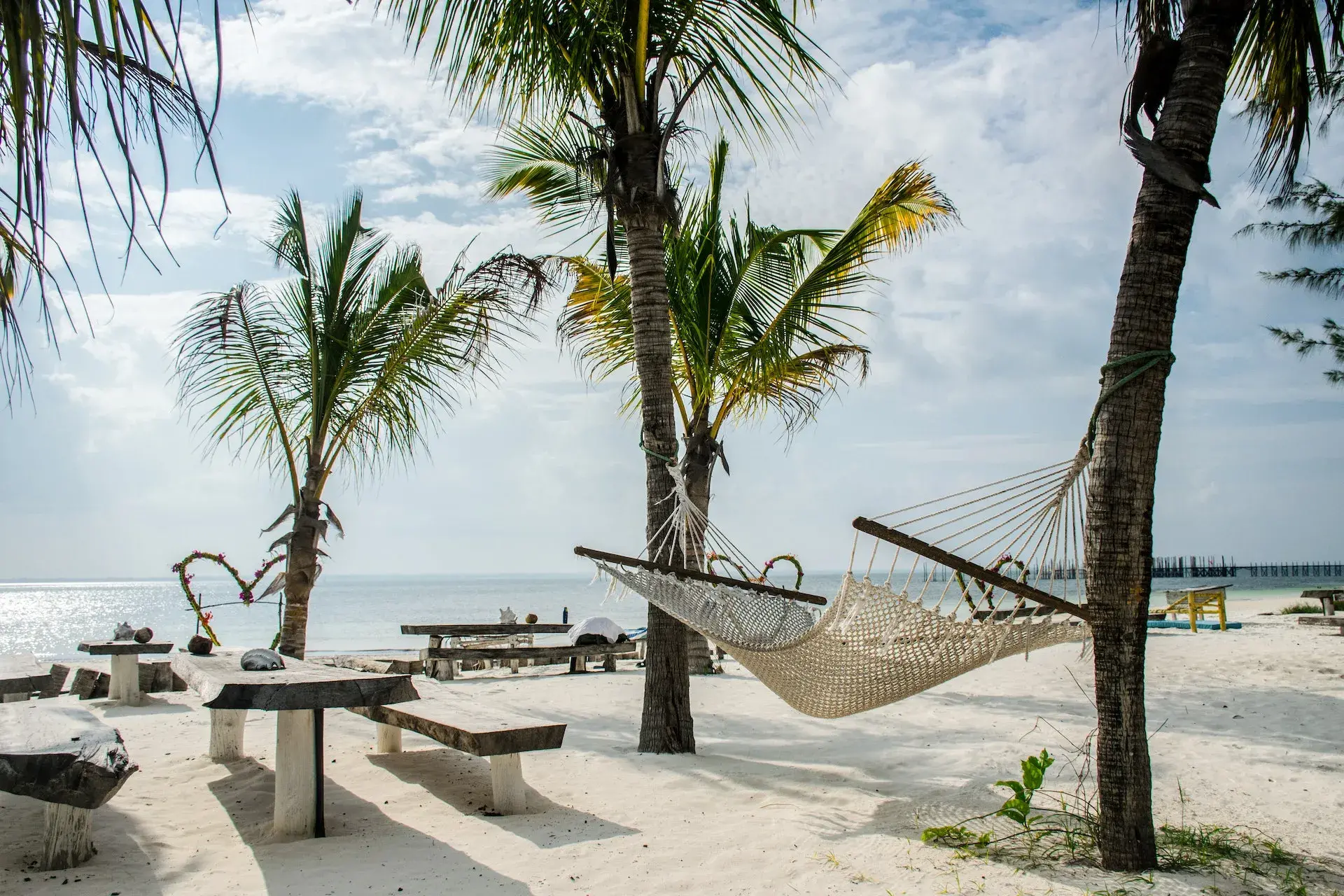
Zanzibar (officially Unguja) is small enough to drive across in under two hours, but its coastline has real personality differences from one stretch to the next — largely driven by tides, which swing dramatically on the east coast and barely at all on parts of the north.
| Area | Best For | Tide Behaviour | Vibe |
|---|---|---|---|
| Nungwi & Kendwa | Swimming, nightlife, sunsets | Swimmable at all tides | Lively, social |
| Paje, Bwejuu, Michamvi | Kitesurfing, long walks | Large tidal swings | Laid-back, boho |
| Kizimkazi & the South | Dolphins, quiet escapes | Moderate | Remote, peaceful |
| Stone Town | History, culture, food | Working harbour, not a swim beach | Urban, atmospheric |
Nungwi & Kendwa: The North Coast
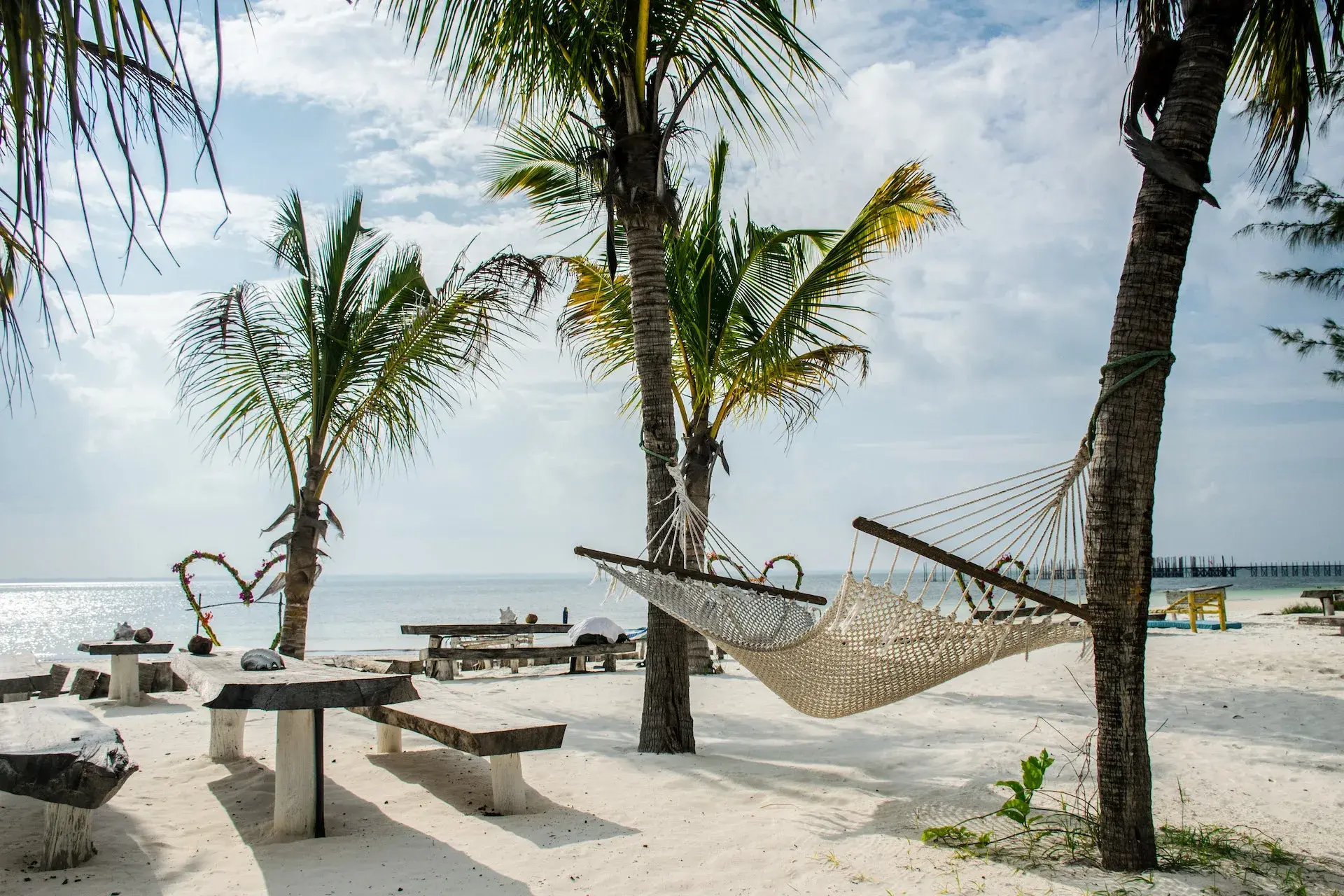
The north coast sits outside the worst of the tidal swing, meaning the beach stays swimmable for most of the day — a big reason it's Zanzibar's most popular base.
- Nungwi: A working fishing village turned beach hub, with dhow-building yards alongside resorts. Good diving and boat trips depart from here.
- Kendwa: A few minutes south of Nungwi, quieter during the week and known for its full-moon beach parties and laid-back beach bars.
- Sunset here is genuinely special — the coast faces west, which is unusual for Zanzibar's beaches.
The north coast fills up fast in the dry season when it's paired with a mainland safari. If you're combining the two (highly recommended), book your beach leg at the same time as your safari.
Paje, Bwejuu & Michamvi: The East Coast
- Paje: Zanzibar's kitesurfing capital, with reliable wind from December–March and June–September. Wide, dramatic tidal flats at low tide.
- Bwejuu: Quieter than Paje, a long stretch of pale sand backed by palm trees and seaweed farms.
- Michamvi (Pingwe): Home to the famous "Rock Restaurant," perched on a coral outcrop just offshore.
- At low tide, much of the east coast empties out into flat sandbanks — beautiful for walking, but not for swimming until the tide returns.
Kizimkazi & the South
The least developed and quietest part of the island, Kizimkazi is best known for dolphin-watching trips, where pods of bottlenose and humpback dolphins are regularly spotted just offshore. Development here is lighter, accommodation is more boutique, and the pace is noticeably slower than the north.
Day Trips: Mnemba & Prison Island
- Mnemba Atoll: A private island ringed by one of Zanzibar's best snorkelling and diving reefs — turtles, reef sharks, and dense coral gardens are common sightings.
- Prison Island (Changuu): A short boat ride from Stone Town, home to a colony of giant Aldabra tortoises and a former quarantine station turned small museum.
Most visitors spend one or two nights in Stone Town (a UNESCO World Heritage Site) for the spice markets, old fort, and seafood, then head to the coast for the remainder of the trip.
Which Coast Should You Choose?
- Choose Nungwi or Kendwa if you want to swim whenever you like and enjoy a livelier social scene.
- Choose Paje or Bwejuu if you kitesurf, love long beach walks, or want a more boho, low-key atmosphere.
- Choose the south if you want Zanzibar at its quietest and most undeveloped.
- Combine two areas if your trip is a week or longer — the island is small enough that a transfer between coasts rarely takes more than 90 minutes.